Solar not producing? We find it and fix it.
Production dropped, error codes, a dead micro-inverter, or an app that stopped reporting — we diagnose the real cause and repair it. Any brand, any installer, even if your original company is gone.
What does solar panel repair & diagnostics involve?
Solar panel repair is diagnosing and fixing whatever is cutting your production — a dead micro-inverter, a bad connector, a failed string, storm damage or lost monitoring. Service Solar Pros repairs any brand, any installer across Central Florida (Leesburg to Orlando), gives you clear written findings with photos, and verifies your output is restored.
Signs your system needs a repair.
Your app or bill shows less power than it used to make.
Inverter faults, comms errors, or a panel that's offline.
You can't see your production anymore — often a fixable comms issue.
Cracked glass, storm damage, chewed wiring or a burnt connector.
Our diagnostic & repair process
- Full system diagnostic — panels, inverters, wiring, monitoring
- Pinpoint the fault (dead micro-inverter, connector, string, comms)
- Clear written findings with photos — you approve before we proceed
- Repair or replace with quality parts
- Restore monitoring so you can see production again
- Verify output is back where it should be
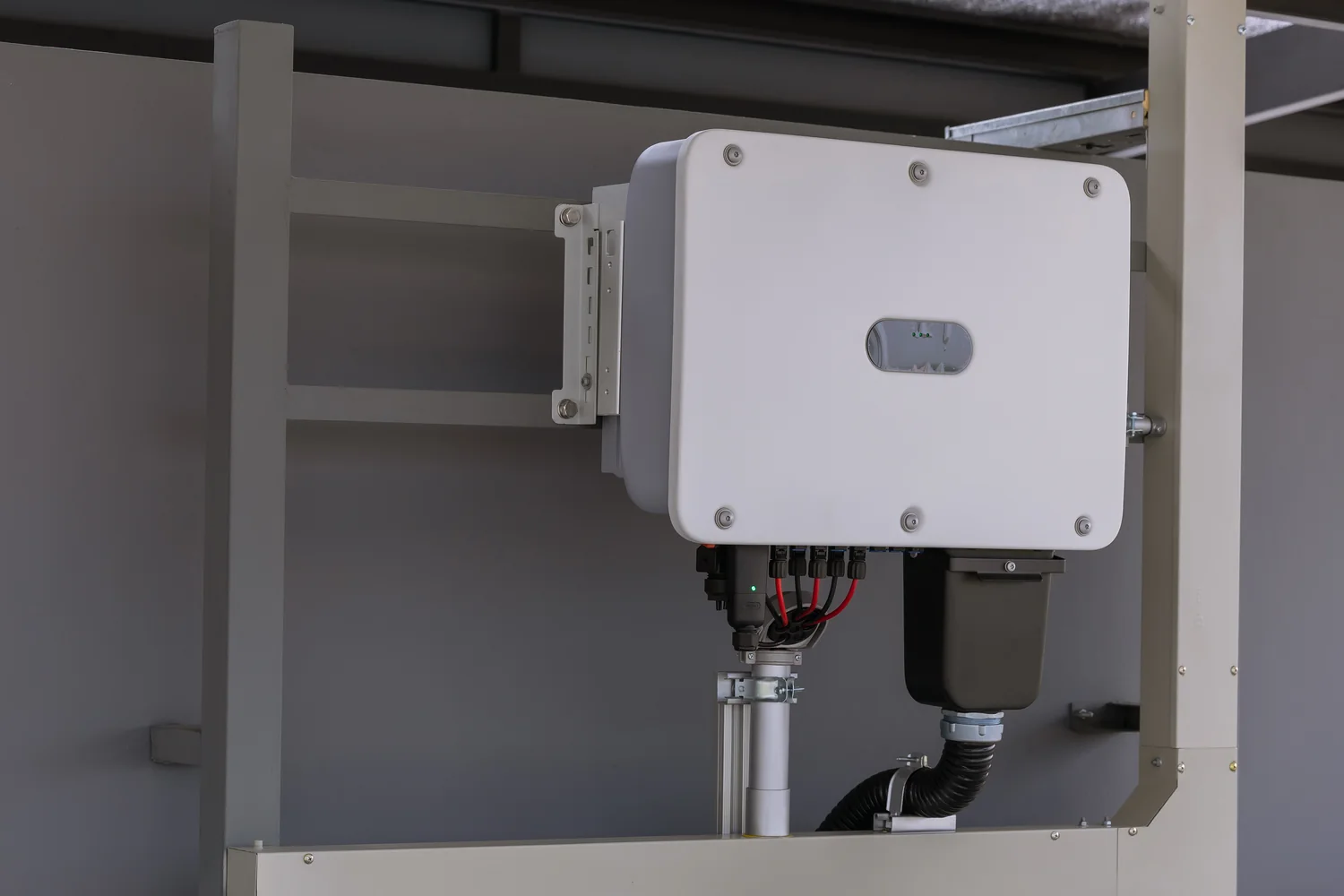
Common solar problems & how we fix them
| Symptom | Likely cause | What we do |
|---|---|---|
| Production dropped suddenly | Inverter or micro-inverter fault | Diagnose & replace the failed unit |
| Error code or app alert | Comms or component fault | Trace the fault and repair |
| One string / area dead | Wiring, connector or roof damage | Locate the break and repair |
| Slow, gradual decline | Soiling or normal degradation | Clean, test output, report findings |
Industry reference guidance — your system may vary.
What actually breaks on a solar system — and why is it usually one part, not the whole array?
When a system stops producing, homeowners often assume the panels are shot. They rarely are. Modern crystalline-silicon panels degrade slowly — NREL's long-running field studies put the median loss at roughly 0.5% per year, so a panel is still doing real work at 20-plus years. The parts that actually fail are the ones doing the electrical heavy lifting: inverters, connectors, and the occasional bad cell.
The inverter is the usual suspect. DOE and industry field data consistently show the inverter as the component most likely to need replacement over a system's life. How it fails depends on the design: a string inverter is a single box for the whole array, so when it quits, everything goes dark at once. A microinverter system puts one small unit under each panel, so a failure usually takes out a single panel while the rest keep producing — which is exactly why it can hide for months if nobody is watching the monitoring.
Hot spots, dead connectors, and the failures you can't see from the ground
Not every fault trips a breaker. Two of the most common quiet failures are hot spots and degraded connectors. A hot spot forms when one cell is shaded, cracked, or mismatched and starts dissipating power as heat instead of passing it along; over time that localized heating can scorch the backsheet. Connectors — the little MC4 plugs that link panels — are a leading cause of arc faults in field studies by Sandia and the IEA PVPS reliability groups, usually from a loose crimp, a mismatched brand pairing, or water intrusion.
These are the failures a homeowner cannot diagnose from the driveway. It takes reading the actual production data and, in most cases, a thermal-imaging pass across the array to find the warm cell or the failing junction before it becomes a burn mark or a ground fault.
What does a real diagnostic cover?
A proper diagnostic is not a glance at the inverter light. Ours walks the whole electrical path: inverter status and error codes, DC and AC voltage checks, string and connector inspection, a thermal scan for hot cells, torque checks on the lugs, and a review of your monitoring history to see when and how production dropped off.
- Inverter life matters here: string inverters are generally built for a 10-to-15-year service life, while microinverters commonly carry 25-year warranties. If your string inverter is 12 years old and quit, replacement — not endless repair — is usually the honest call.
- We tell you which it is: a $300 part on a healthy array, or a system that has genuinely reached end of life. No upsell either way.
What homeowners say
Dustin was very professional and did a great job cleaning my solar panels. I would recommend his team anytime for service.
The team showed up exactly when they said. So polite. They did a great job. No more pollen on the panels! Best price I found. Very pleased.
For the first time in years my solar/Generac problem has been fully addressed. Dustin is very knowledgeable and very professional. He answered my call immediately and made an appointment in a timely manner. I was extremely satisfied with his service.
See the difference.
Drag to reveal a real Central Florida job.
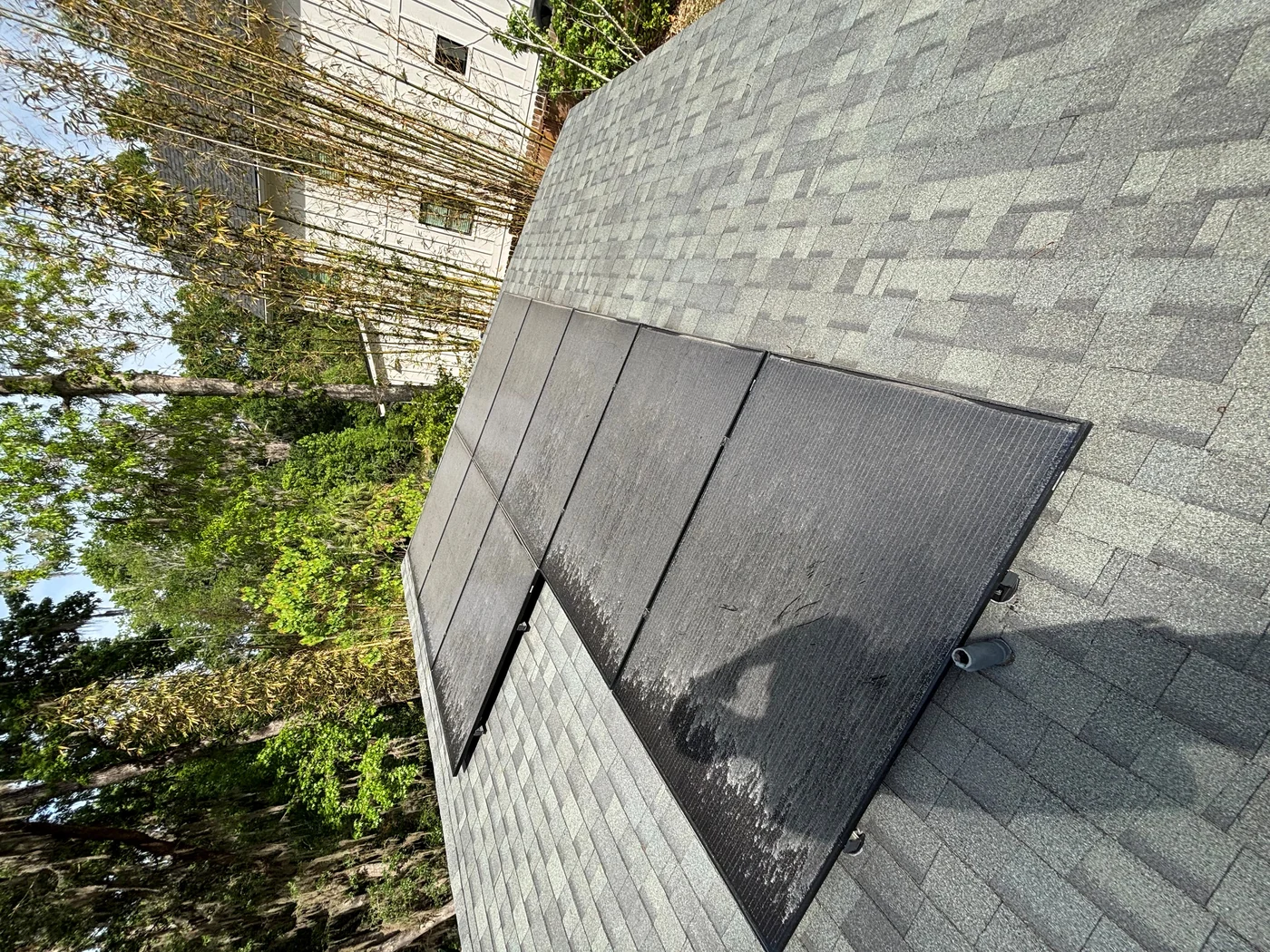
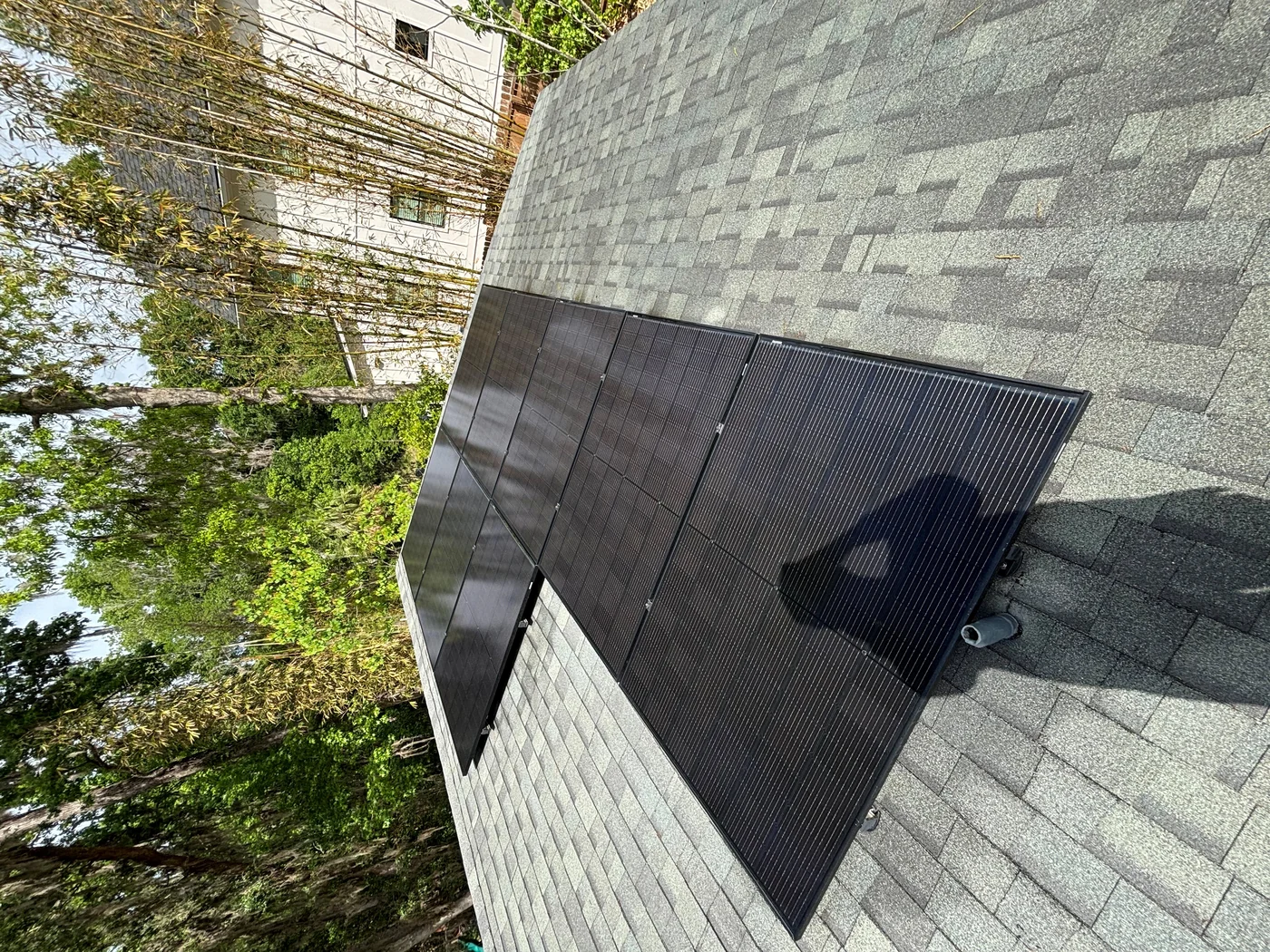
Licensed specialists — not pressure-washers dabbling in solar.
Solar Panel Repair & Diagnostics — answered.
Can you fix a system another company installed?
My monitoring stopped working — can you help?
What brands do you repair?
Is there a diagnostic fee?
My whole system is dark. Do I need all new panels?
One panel reads low but the rest are fine. What is that?
How do you find a problem you can't see?
How much does solar panel repair cost?
Everything after the install.
Ready to service your solar system?
Free quote, fast callback, and before-and-after proof on every job. Licensed, insured, and local.
Plain-English definitions — tap a term to learn more.