Keep birds & squirrels out from under your panels.
Animals nesting under solar panels chew wiring, cause shorts and leave a mess. We seal the perimeter with clean, low-profile critter guard so your array stays protected — and your warranty intact.
What is solar panel critter guard and bird proofing?
Critter guard is a low-profile mesh clipped around your solar array to keep birds and squirrels from nesting underneath, where they chew wiring and cause shorts and production loss. Service Solar Pros clears any existing nests, seals the full perimeter with no roof penetrations, and protects your system — across Leesburg, Orlando and all of Central Florida.
Signs you have a critter problem.
Birds or squirrels living under the panels, especially in spring.
Mess on the roof and streaks down the panels.
Rodents chew cables — a fire and production risk.
Damaged wiring or shading from nests cuts output.
How critter-guard installation works
- Inspect the array perimeter and clear any existing nests
- Install low-profile mesh/guard clipped to the panels (no roof penetration)
- Seal every gap around the full array
- Check wiring for existing chew damage
- Clean up droppings and debris
- Photos of the finished, protected array
Critter threats under your panels & how we stop them
| Threat | Damage it causes | Our protection |
|---|---|---|
| Pigeons & birds | Nests, droppings, corrosion, hot spots | Steel mesh clipped around the array |
| Squirrels & rodents | Chewed wiring, ground faults, outages | Critter-guard barrier + secured conduit |
| Wasps & pests | Nests in the roof-panel gap | Sealed perimeter, cleaned & guarded |
Industry reference guidance — your system may vary.
Why do pigeons and squirrels move in under solar panels — and what do they actually damage?
The gap between a panel and your roof is warm, shaded, dry, and hidden from hawks — which to a pigeon or a squirrel reads as ideal real estate. Central Florida's mild winters mean pests do not get a hard freeze to knock back their numbers, so a colony that moves in tends to stay and grow. Once they are under there, the damage runs in two directions.
The first is electrical. Rodents gnaw constantly — their incisors never stop growing, so they chew to file them down — and the exposed DC wiring, conduit, and grounding under an array is right in reach. Chewed insulation is a leading cause of ground faults, and a ground fault on a live solar array is both a production killer and a genuine fire risk. The second is the mess: droppings, nesting material, and feathers pack into the gap, hold moisture against the roof, block airflow that panels rely on to stay cool, and clog the very drainage paths your roof needs.
The health side nobody mentions — droppings are not just ugly
Accumulated bird droppings are a genuine health issue, not only an eyesore. The CDC links dried bird and bat droppings to Histoplasma, the fungus behind histoplasmosis, a respiratory infection you can inhale when disturbed droppings go airborne — exactly what happens when someone finally climbs up to clean out a nesting site. Pigeon droppings are also acidic and corrosive; left on roofing and flashing they degrade the surface over time.
This is why we do not just install a barrier and walk away. A critter-guard job on an already-infested array starts with clearing and sanitizing the nesting material safely, then sealing the perimeter so nothing moves back in.
Mesh, spikes, and the difference a proper install makes
There are two broad approaches, and they are not equal. Spikes and deterrents scatter birds from a ledge but do nothing to close the open gap around a panel array, so squirrels and smaller birds simply go under them. Mesh exclusion — a rigid, critter-proof barrier clipped around the entire perimeter of the array — is the method that actually keeps wildlife out for good.
- Material: we use a rigid galvanized or PVC-coated mesh built to resist gnawing, not flimsy hardware cloth that a squirrel defeats in a season.
- Install method matters: the mesh clips to the panel frames — never screwed through your roof or the modules, which would create leaks and void warranties.
- Timing: spring is peak nesting season, so the best time to exclude is before the nests are built, not after eggs are in place.
What homeowners say
Dustin was very professional and did a great job cleaning my solar panels. I would recommend his team anytime for service.
The team showed up exactly when they said. So polite. They did a great job. No more pollen on the panels! Best price I found. Very pleased.
For the first time in years my solar/Generac problem has been fully addressed. Dustin is very knowledgeable and very professional. He answered my call immediately and made an appointment in a timely manner. I was extremely satisfied with his service.
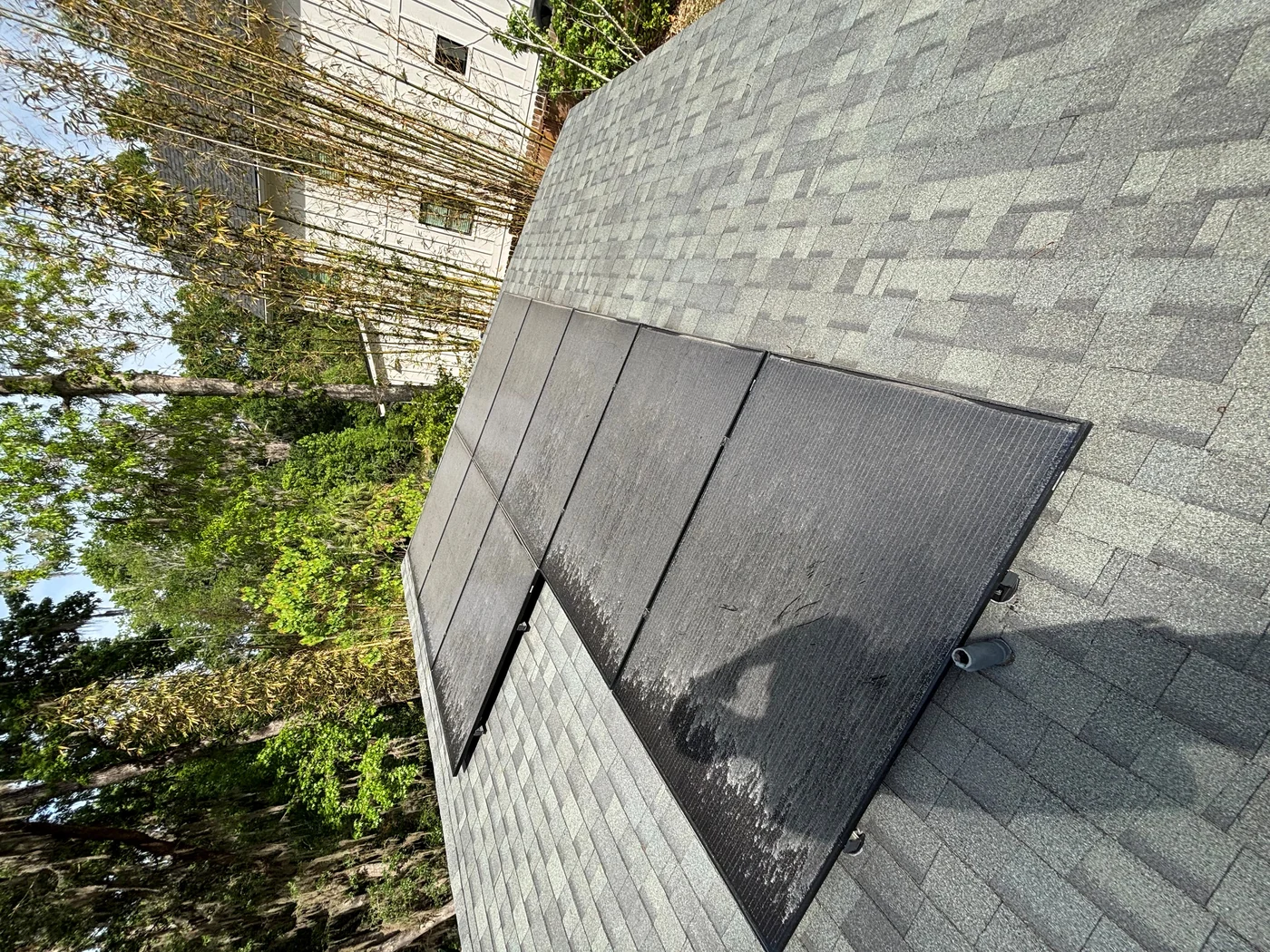
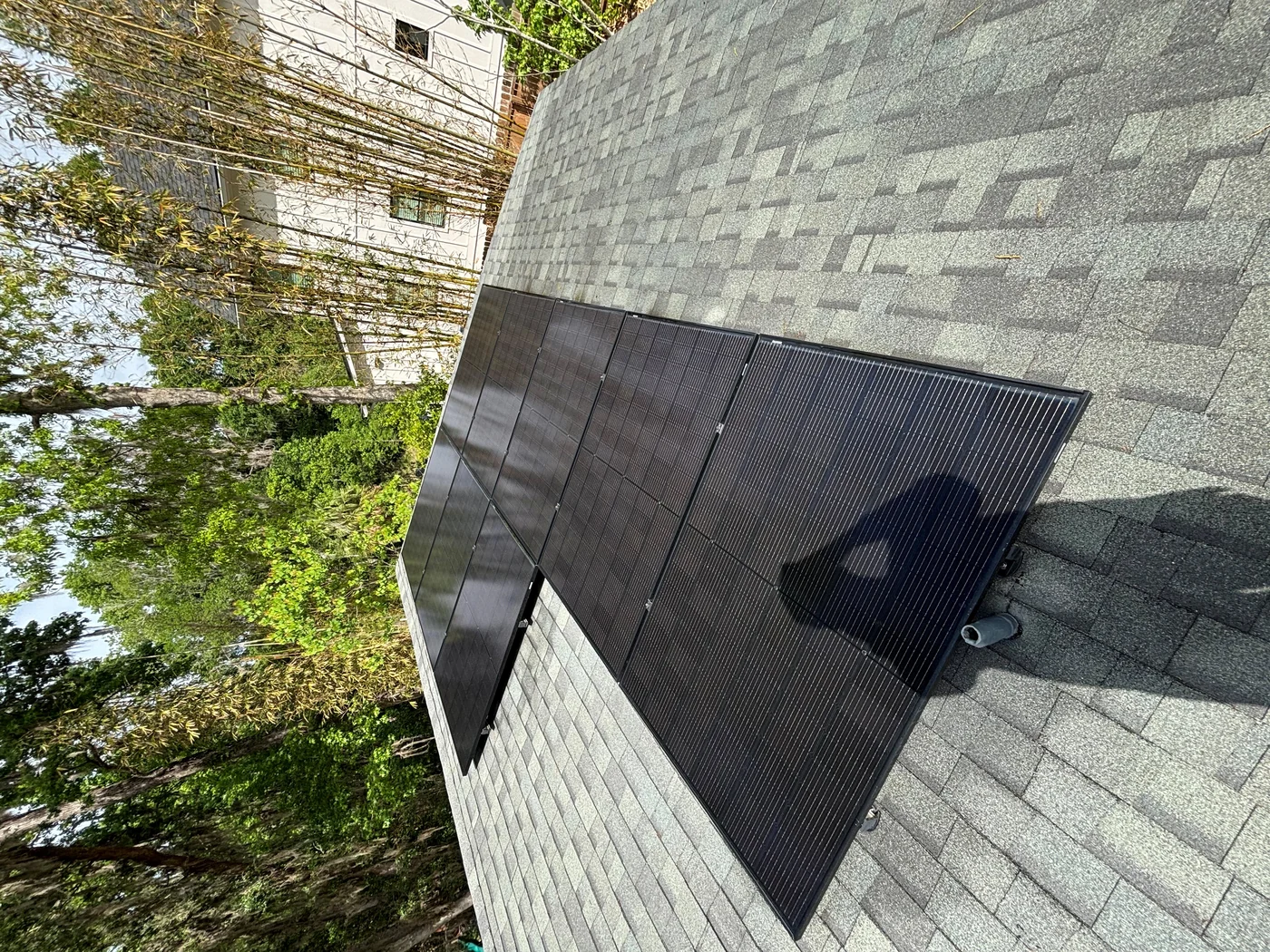
See the difference.
Drag to reveal a real Central Florida job.
Licensed specialists — not pressure-washers dabbling in solar.
Solar Critter Guard & Bird Proofing — answered.
Does critter guard damage my roof or panels?
Birds already nested — can you still help?
Will it protect my wiring?
Is it noticeable from the ground?
Are birds under my panels really a problem, or just noisy?
Do spikes work, or do I need mesh?
Will the guard damage my roof or void my warranty?
How much does solar panel bird proofing cost?
Everything after the install.
Ready to service your solar system?
Free quote, fast callback, and before-and-after proof on every job. Licensed, insured, and local.
Plain-English definitions — tap a term to learn more.