
Backup power that actually works when you need it.
We service and troubleshoot home battery and storage systems — Tesla Powerwall, Enphase, Generac, Sol-Ark and more — so your backup is ready before the next Florida storm, not after.
What does solar battery & storage service cover?
Solar battery and storage service is diagnosing, troubleshooting and maintaining your home backup system — Tesla Powerwall, Enphase, Generac PWRcell or Sol-Ark. Service Solar Pros checks charging, capacity, firmware and the automatic backup transfer so your battery is ready before the next Florida storm — not after. We serve homeowners across Central Florida.
Battery not behaving?
Capacity, charging or discharge issues that leave you unprotected.
Error codes, comms drops, or an app that stopped reporting.
Backup that failed to carry your home during an outage.
Get it checked before hurricane season — not during.
Our battery & storage service
- Full diagnostic of battery, inverter and gateway
- Firmware, comms and monitoring check/restore
- Capacity & backup-transfer test
- Troubleshoot faults and error codes
- Coordinate warranty work where applicable
- Verify your backup is ready for an outage
Popular home batteries we service — quick comparison
| System | Usable capacity | Chemistry | Best for |
|---|---|---|---|
| Tesla Powerwall 3 | ~13.5 kWh | LFP | Whole-home backup |
| Enphase IQ Battery 5P | ~5 kWh (stackable) | LFP | Modular, per-panel systems |
| Generac PWRcell | ~9–18 kWh | Modular | Larger loads & solar-heavy homes |
| Sol-Ark + battery rack | Varies | LFP | Flexible / off-grid setups |
Industry reference guidance — your system may vary.
LFP or NMC — which battery chemistry is under your panels, and why it matters?
Almost every home battery sold today is one of two lithium chemistries, and the difference is worth understanding because it drives safety, lifespan, and how the battery should be treated in Florida heat. LFP (lithium iron phosphate, or LiFePO4) is the chemistry behind most current home units — Tesla Powerwall and Enphase IQ Batteries both use it. NMC (nickel-manganese-cobalt) packs more energy into a smaller box, which is why it dominates electric vehicles, but it runs a lower thermal-runaway threshold and needs more careful thermal management.
For a home battery that mostly sits still and cycles once a day, LFP's trade-offs are the right ones: more cycles, a much higher thermal-runaway onset temperature, and the ability to sit at a high state of charge without the same stress. That is why the industry has largely moved to it for residential storage — and it lines up with the comparison table above.
Capacity health, firmware, and the things that quietly age a battery
A battery does not fail like a light bulb; it fades. Every full charge-discharge is a cycle, and each chemistry is rated for a cycle count before it drops to about 80% of original capacity — LFP typically in the several-thousand-cycle range, well beyond NMC. Depth of discharge matters too: LFP tolerates being run deep, often rated near 90-100% usable, while pulling a battery to empty repeatedly ages any chemistry faster.
Two things owners overlook. First, firmware — battery management systems get updates that change charge behavior, fix bugs, and sometimes recover usable capacity; an out-of-date pack can underperform for no physical reason. Second, capacity health drifts silently, and the only way to know your real remaining capacity is to read it from the BMS, not guess from the age on the box. A service check reads both.
Florida heat and hurricane backup — the two things a battery here lives and dies by
Heat is the enemy of every lithium battery. Elevated temperatures accelerate calendar aging — the slow capacity loss that happens whether you cycle the battery or not — which is why DOE and manufacturers call for installation in a shaded, ventilated, or conditioned space, not a west-facing garage wall that bakes all summer. In our climate, where you put the battery is as important as which one you buy.
- Outage backup: the reason most Central Florida homes want storage — riding through hurricane-season outages and afternoon grid flickers without a generator.
- LFP safety edge: its higher thermal-runaway threshold is a meaningful advantage inside or near a living space.
- Health check before storm season: we verify state of charge, capacity, firmware, and backup transfer before you actually need it in July.
What homeowners say
Dustin was very professional and did a great job cleaning my solar panels. I would recommend his team anytime for service.
The team showed up exactly when they said. So polite. They did a great job. No more pollen on the panels! Best price I found. Very pleased.
For the first time in years my solar/Generac problem has been fully addressed. Dustin is very knowledgeable and very professional. He answered my call immediately and made an appointment in a timely manner. I was extremely satisfied with his service.
See the difference.
Drag to reveal a real Central Florida job.
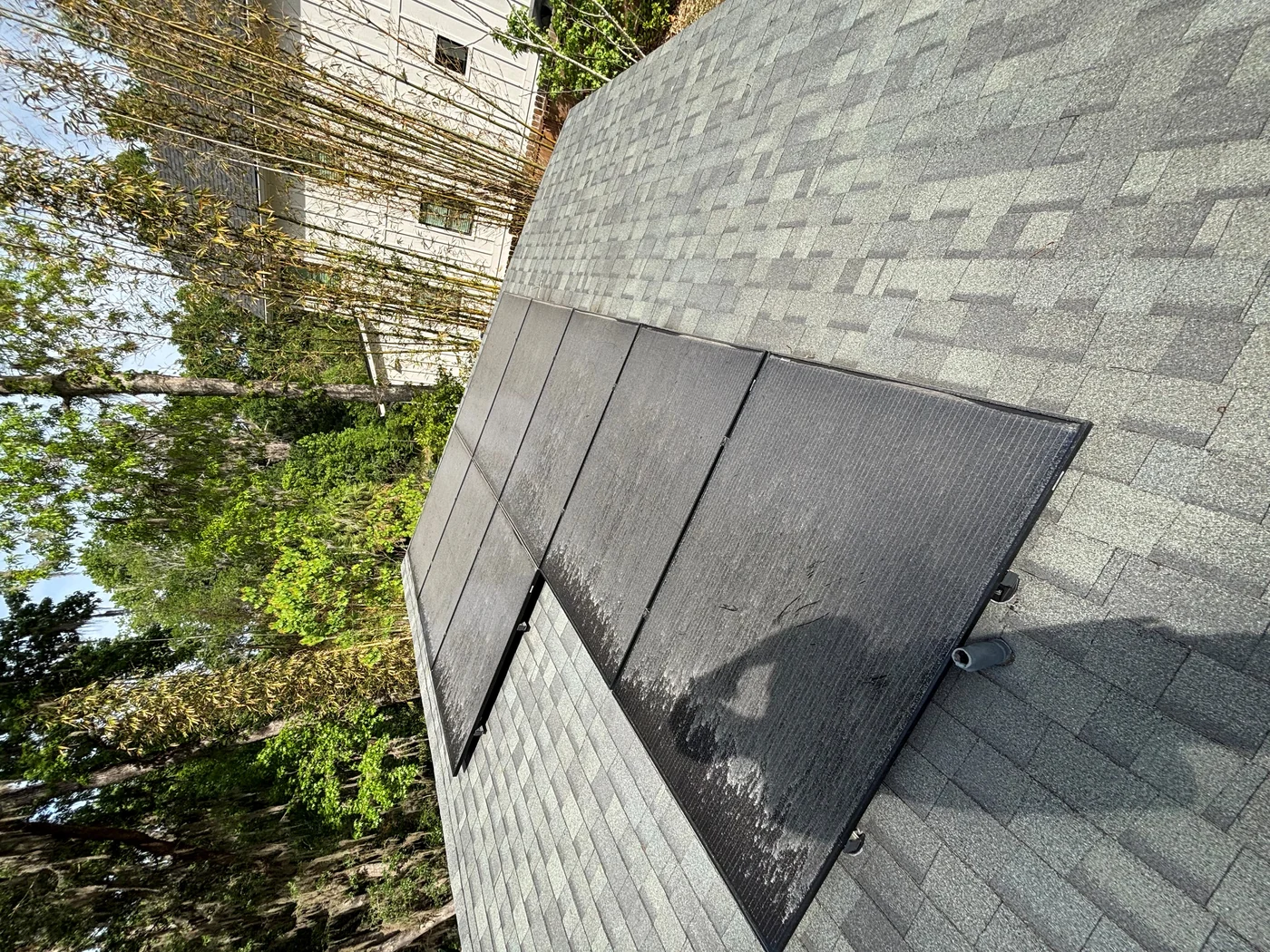
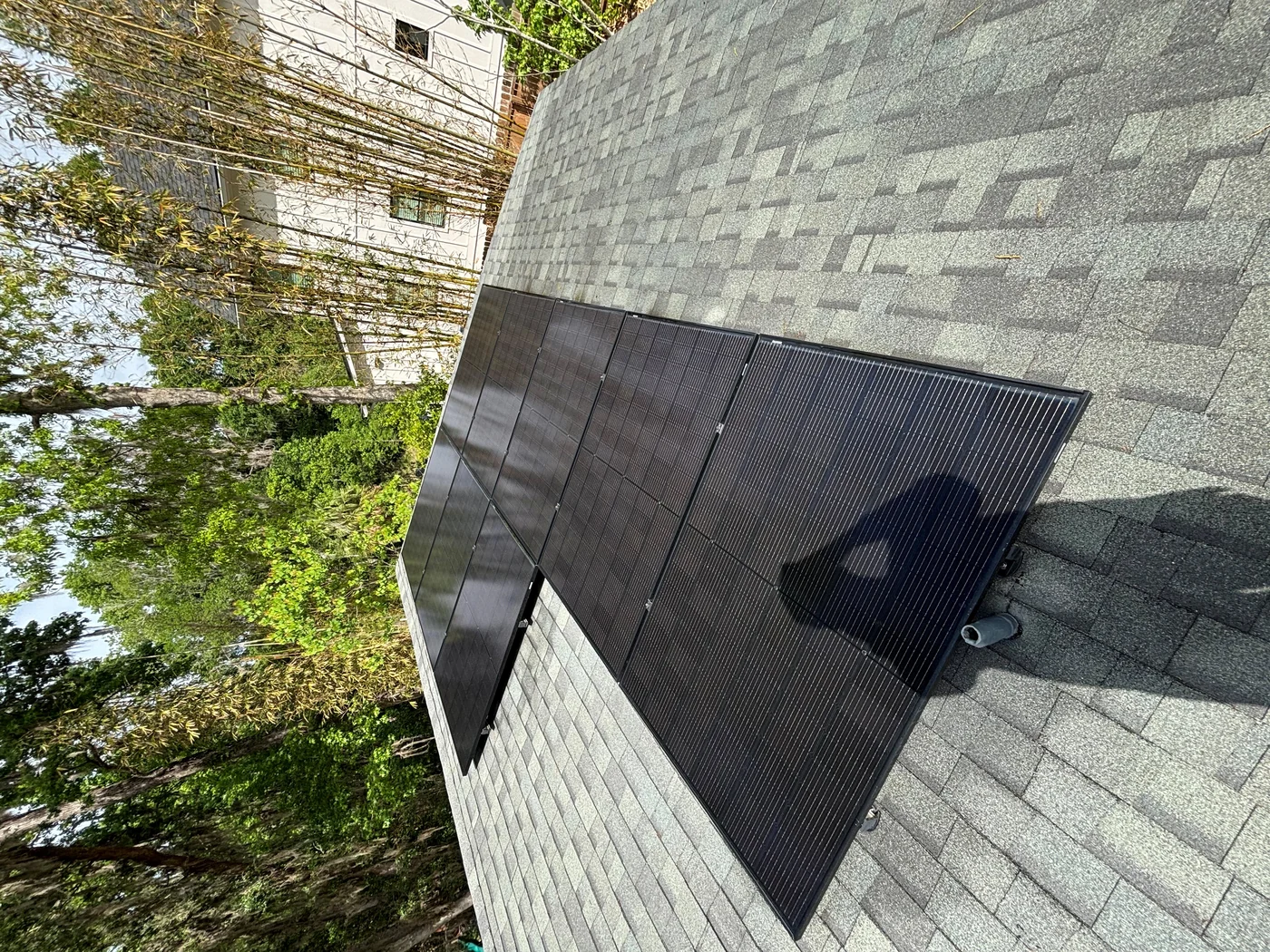
Licensed specialists — not pressure-washers dabbling in solar.
Solar Battery & Storage Service — answered.
Which batteries do you service?
My Powerwall shows an error — can you help?
Can you test that my backup will actually work?
Do you install new batteries too?
How do I know if my battery is still healthy?
Is it safe to have a lithium battery in a Florida garage?
Will my battery actually carry me through a hurricane outage?
How much does battery service or a Powerwall repair cost?
Everything after the install.
Ready to service your solar system?
Free quote, fast callback, and before-and-after proof on every job. Licensed, insured, and local.
Plain-English definitions — tap a term to learn more.