
Net Metering in Florida: How FPL & Duke Solar Buyback Works
AI-generated image
Want a pro to take a look? Call (407) 270-2542 or request a free quote.
- Net metering gives you bill credit for the extra power your panels send to the grid.
- FPL and Duke Energy carry extra power forward as a kWh credit on the next bill.
- Leftover credit is paid out once a year, at a lower rate than you pay for power.
- You still pay the monthly customer charge, even when credits cover your energy use.
- Dirty or faulty panels mean fewer credits. Output is the whole game.
What is net metering and how does it work in Florida?
Net metering is the deal that makes rooftop solar pay off. In the day, your panels often make more power than your home uses. That extra flows back onto the grid, and your utility credits your account. At night or on a cloudy day, you pull power from the grid, and those credits cover the cost.
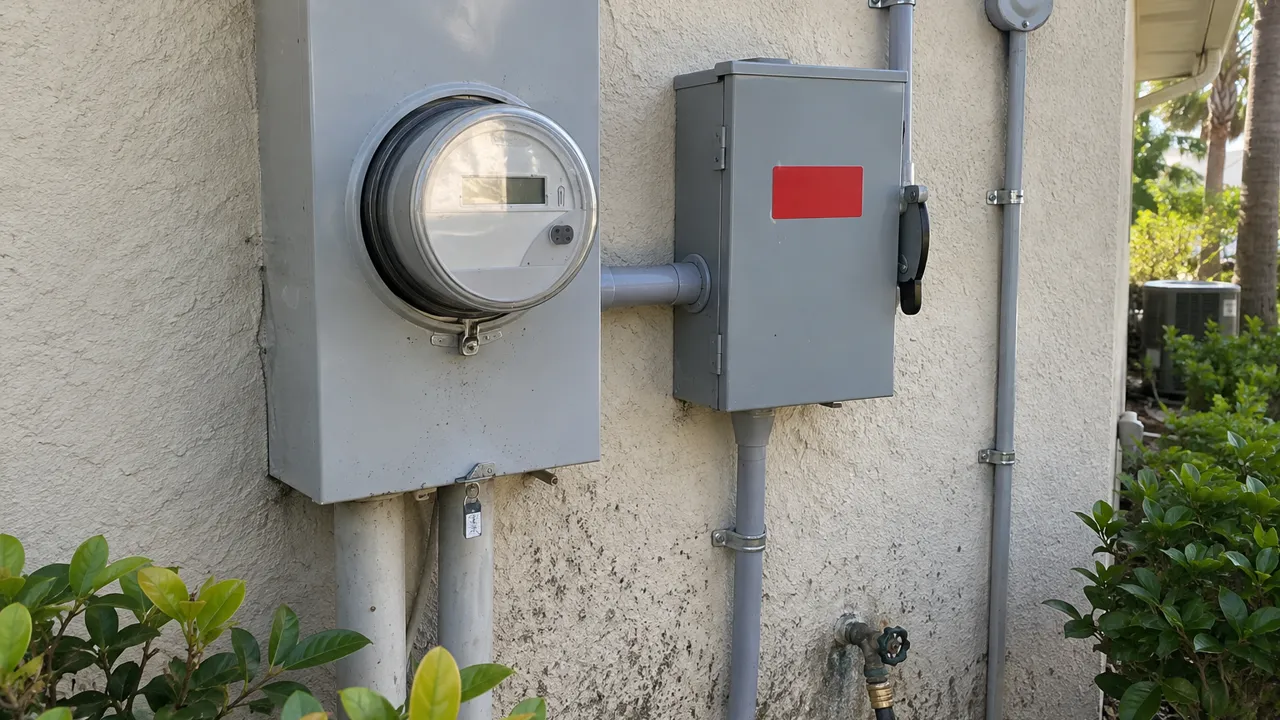
In Florida, the utility puts in a two-way meter that tracks power flowing both ways, at no cost to you. Each month, it nets the power you took from the grid against the power you sent. Extra power carries over to next month's bill as a kWh credit, so one unit you send offsets one unit you buy. People call that 1:1 net metering.
These rules come from the Florida Public Service Commission, and they apply to utilities like FPL and Duke Energy. Regulators can change them, so check your utility's current terms before you make a big decision.
How your solar credits work
- Panels make extra powerBy day, panels often make more than your home uses.
- Extra goes to gridIt flows back onto the grid and your utility credits you.
- Credits cover your useAt night or on cloudy days, credits cover grid power.
- Leftover credit rolls overExtra carries to next month's bill as a kWh credit.
- Year-end payoutLeftover credit is paid out at a lower rate than retail.
The takeaway: Credits only come from power your panels actually make. Dirty or faulty panels mean fewer credits, so output is the whole game.Service Solar Pros
How does FPL and Duke solar buyback credit your bill?
The basics are the same at both utilities, with small differences. Here's the general shape:
| How credits work | FPL & Duke (home net metering) |
|---|---|
| Extra power you send | Carried to next month as a kWh credit |
| Monthly leftover credits | Roll over to the next bill |
| End of the year | Leftover credit is paid out at a lower rate |
| Fixed monthly charges | Still billed (customer charge and similar) |
In a big solar month, like a bright, dry spring, you can bank more credits than you use. In a heavy-use month, like July with the AC running, you draw those credits down. FPL says extra power is credited toward a future bill within the same calendar year.
At year end, the utility pays for leftover credit under its tariff, at a rate lower than retail. That's why building a system far bigger than your yearly use rarely pays. The goal is to match output to what your home uses over the year.
Do you still get a power bill with solar in Florida?
Yes, almost always a small one. Under the PSC rules, net-metering customers still pay the customer charge, plus any demand charge on their rate. Taxes and fees may also show up. Being tied to the grid has a standing cost, and net metering doesn't erase it.
So don't expect a zero bill every month. Expect an energy charge that's mostly or fully covered, with the fixed fees left over. Owners sometimes call us worried their system stopped working because a bill showed up. Often the panels are fine, and they're just seeing the normal fixed charges.
If you want to rule out a real output problem, book a quick diagnostic check.
Why do underperforming panels cost you net-metering credits?
This is the part most articles skip, and it's where a service company matters. Net metering only rewards the power your panels actually make. Every kilowatt-hour (kWh) they fail to make is a credit you don't earn. In Central Florida, output can slip in many quiet ways:
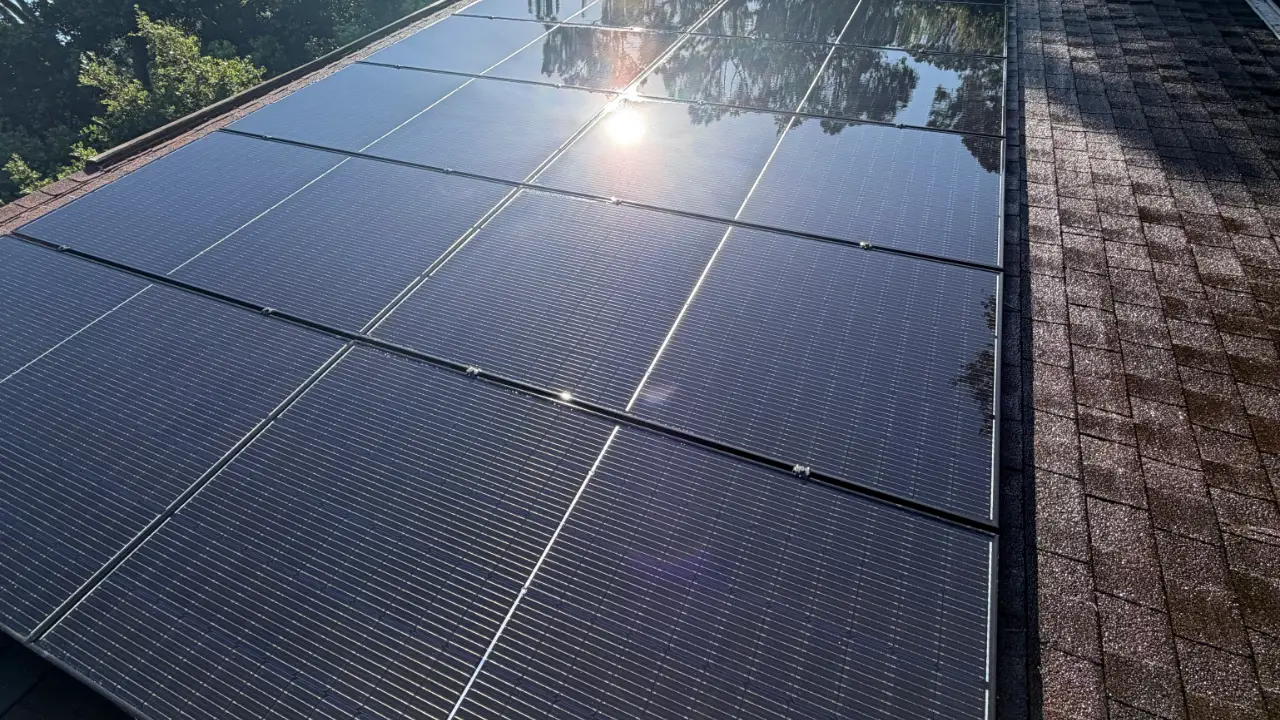
- Dirty panels. Pollen, dust and hard-water film trim output. Bird droppings can shade whole sections of a panel.
- A faulted panel or optimizer that has dropped offline without an obvious alarm.
- An inverter error that cuts or stops output.
- Shade or debris after a storm.
A panel that runs below normal for a year costs you a year of credits you paid for and never got. That's why keeping the panels clean and tested directly protects the buyback you count on. Our solar panel cleaning service is the easiest first step.
What happens to net metering when you sell or switch installers?
First, selling the home. The net-metering deal is tied to the utility account, so the new owner sets it up in their own name with FPL or Duke. We cover the full process in selling a home with solar in Florida.
Second, service. Your net-metering deal is with FPL or Duke, not with whoever installed the panels. If your first installer went out of business, your credits are not affected. You're free to hire any company to keep the system healthy.
Service Solar Pros services every brand and any installer's system, from Enphase to SolarEdge, SMA and Tesla. The most reliable way to capture every credit is a maintenance plan with scheduled cleaning and checkups. We serve Ocala, Leesburg, The Villages and all of Central Florida.
👉 Book a production check or call (407) 270-2542.
Frequently asked questions
Does FPL pay you for solar power in Florida?
Is net metering 1:1 in Florida?
Will I have a zero electric bill with solar?
What is a solar true-up in Florida?
Do dirty or broken panels affect my net-metering credits?
Does net metering give me power during an outage?
Related reading
Next step: see our solar panel repair service, or read a related guide:
Serving solar owners across Central Florida
We clean, repair, maintain and protect solar systems throughout the region — any brand, any installer. Find your town:
Need a hand with your solar?
Service Solar Pros — any brand, any installer, across Central Florida. Call (407) 270-2542.
Get a free quote